How to Handle Attic Rodent Removal Without Making Things Worse
I have walked into more attics than I can count that smelled like a decade of rodent occupation. The droppings, the chewed wires, the nests made of torn insulation and dryer lint. Homeowners usually notice the problem when they hear scratching at night or catch a whiff of something dead above the ceiling. By that point, the infestation is rarely limited to one animal. Attic rodent removal is a job that requires patience, the right tools, and an understanding of how rodents think. It is not a task where you can cut corners and expect lasting results.
Many people grab the nearest poison or ultrasonic repellent from the hardware store and assume the problem will solve itself. That approach almost always backfires. A dead rat inside a wall cavity creates a smell that lingers for weeks, and poison can travel up the food chain to pets or local wildlife. Ultrasonic repellents sound good in theory, but in practice they rarely drive an established colony out of a warm, sheltered attic. Effective attic rodent removal starts with a clear plan and a willingness to do the dirty work yourself or call someone who will.
Identify the Species First
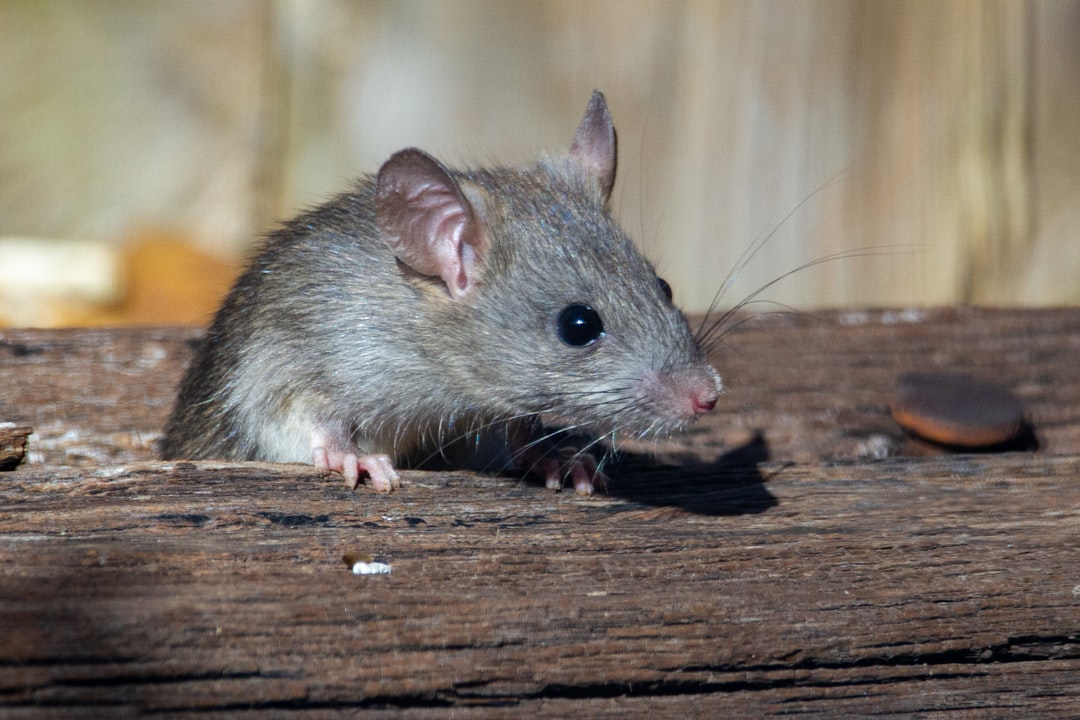
Before you set a single trap, spend some time figuring out what you are dealing with. Mice leave small, pointed droppings and can squeeze through a gap the size of a dime. Rats leave larger, capsule-shaped droppings and are more cautious about new objects in their environment. Squirrels often enter attics in the fall when they look for a warm place to store food or raise young. Raccoons are bigger and can cause major damage to vents, roofing, and insulation. Each species requires a slightly different approach to trapping and exclusion.
I once worked on a house in Cleveland TN where the owner thought he had mice. He had bought a dozen snap traps and placed them along the attic rafters. After two weeks he had caught nothing. When I went up there, I found raccoon tracks in the dust and a large hole near the soffit where the animal had pushed through. A Havahart trap baited with marshmallows solved the problem in one night. Knowing the animal changes everything.
Seal Entry Points Before You Trap
One of the biggest mistakes I see is people trapping animals without first closing off entry points. You can catch a dozen mice, but if there is a gap under the eaves or a hole around a vent pipe, new animals will move in within days. Rodent exclusion is the foundation of any long-term solution. Walk the exterior of your house at ground level and up on the roof if you can safely get there. Look for gaps where wires, pipes, or cables enter the house. Check the soffits, the ridge line, and the area where the roof meets the wall.
You do not need expensive materials for most repairs. A roll of steel wool and a tube of sealant will close many of the holes that rodents use. Stuff steel wool into the gap first, then cover it with sealant or expanding foam. Steel wool is hard for rodents to chew through, and the sealant keeps it in place. For larger openings, such as a missing vent cover or a rotted fascia board, you may need to do a more serious structural repair. That is not glamorous work, but it is the only way to prevent reinfestation over the long haul.
Choose the Right Trap for the Job
There is no single trap that works for every situation. Snap traps are reliable for mice and rats, especially when you bait them with peanut butter or a piece of dried fruit. Place them along walls where rodents travel, with the trigger facing the wall. Glue boards can work in tight spaces, but they are not humane and can catch non-target animals like birds or snakes. I avoid glue boards unless the situation is extreme and other methods have failed. Havahart traps are excellent for larger animals like raccoons and squirrels. They allow you to release the animal somewhere appropriate, which many homeowners prefer.
Rat poison is a last resort in my book. It kills slowly, and the animal may die inside your wall or ceiling. The smell of a decomposing rat is hard to tolerate, and removing the carcass often requires cutting into the drywall. If you choose to use poison, place it in a tamper-resistant bait station and check it daily. But for attic rodent removal, live trapping or snap traps usually produce cleaner results.
Work Methodically and Document Everything
When I go into an attic for rodent removal, I bring a headlamp, a container for droppings, a spray bottle with a mild bleach solution for disinfection, and a notebook. I map out where I find droppings, damage, and entry points. That record helps me track progress and spot new activity. Rodents follow regular paths, so if you clean up the droppings and set traps in those travel lanes, you will catch them faster.
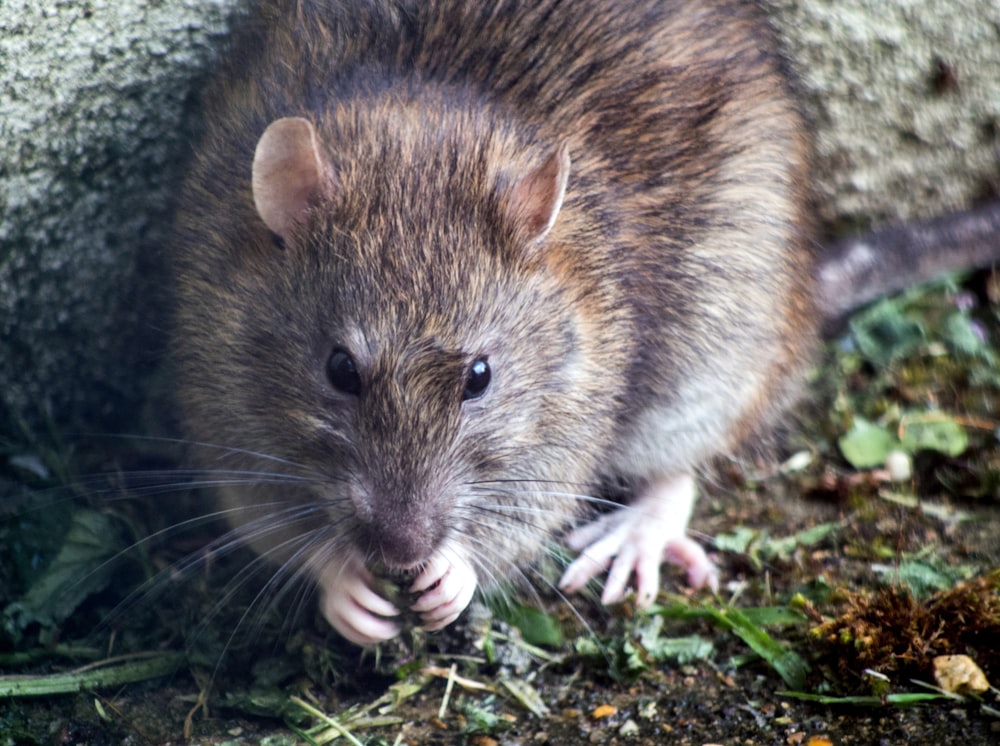
Do not underestimate how fast mice reproduce. A pair of mice can produce dozens of offspring in a few months. If you catch one and assume the job is done, you will likely be wrong. Keep trapping for at least two weeks after you see the last sign of activity. Then do a final exclusion check to make sure no new gaps have opened up.
Prevent Reinfestation With Habitat Changes
Rodents come inside because they are looking for food, water, and shelter. Remove those attractants and your attic becomes less inviting. Store birdseed, pet food, and garbage in metal or thick plastic containers with tight lids. Trim tree branches that overhang the roof; squirrels and raccoons use those branches as highways to your eaves. Keep the yard free of brush piles and debris that provide cover for rodents.
Inside the attic, consider adding a light source. Most rodents prefer darkness and will avoid well-lit spaces. A simple LED bulb on a timer can make the space less appealing. That is not a substitute for exclusion and trapping, but it can tip the balance in your favor.
When to Call a Professional
Some attics are simply too hazardous or complex for a homeowner to handle safely. If you have a heavy infestation, inaccessible entry points, or signs of extensive damage to wiring or structure, it is wise to bring in a pest control company. Professionals have the experience and equipment to perform attic rodent removal efficiently and with less risk to themselves and the house. They can also handle the structural repair work needed to seal the attic for good. In Cleveland TN, several companies specialize in rodent exclusion and can give you a detailed estimate after inspecting the property.

I have seen attics that were completely transformed after a thorough removal and exclusion job. The smell goes away, the noise stops, and the homeowner can finally use the space for storage or even finish it into a living area. That peace of mind is worth the effort. The key is to act quickly, work systematically, and not assume that a single trap or a bottle of poison will solve a problem that took months or years to develop.
Attic rodent removal is dirty, sometimes frustrating work. But it is also deeply satisfying when you close the last gap and know the attic is clean. Take your time, use the right tools, and remember that exclusion matters as much as trapping. Your house will thank you, and so will your sanity.